How to Check for Head Lice and Nits: A Step-by-Step Guide
Compiled and fact-checked from cited sources, reviewed by our editorial team.
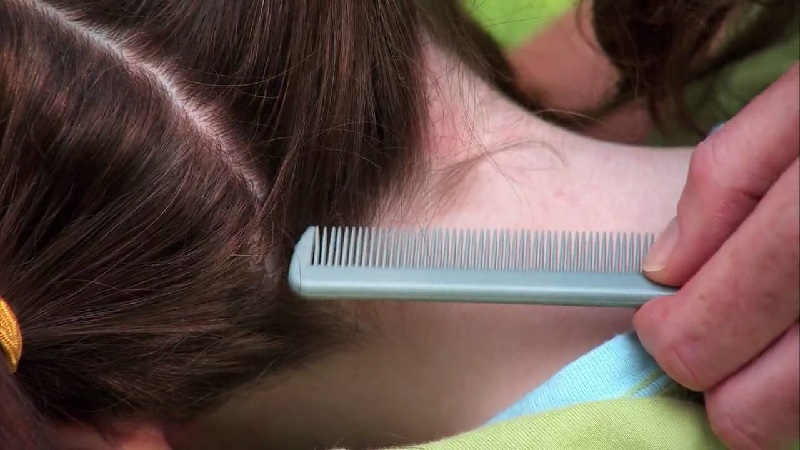
The most common mistake in a lice check is looking at dry hair for a moment and declaring it clear. Lice avoid light, move several centimetres a second and hide at the scalp; a parent glancing at dry hair is unlikely to see one. The only practical method that gives a reliable answer is combing wet hair coated in conditioner with a fine-toothed detection comb.
This guide walks through the whole check: what to look for, where to look, how to spot nits in hair, how to tell a live nit from an empty shell, how to separate lice from dandruff, hair casts and fleas — and, if you are organising a check at a school, how to run it and what to write to parents.
This article is general information and does not replace medical advice. If the scalp has sores, crusting or swollen lymph nodes, see a doctor.
When should you check?
- When the school or nursery sends a notice. The most common and most sensible trigger.
- When a child starts scratching — especially the nape and behind the ears.
- When a classmate or sibling has lice.
- Once a week during term time, even with no complaints. An infestation caught early ends in two or three combing sessions.
No itching does not mean no lice. The itch is an allergic reaction to louse saliva and can take 4–6 weeks to develop the first time a child gets lice.1 A child can carry lice for weeks without scratching at all, which is why routine checking beats waiting for symptoms.
What you need
| Item | Why it matters |
|---|---|
| Fine-toothed detection comb (metal, 0.2–0.3 mm gap) | Plastic teeth splay apart and slide over nits |
| Conditioner | Immobilises lice and lets the comb glide |
| Good light | Daylight is best; otherwise a strong white lamp |
| White tissue or paper towel | You can only see what comes off against white |
| Magnifier (5–10×) | Makes telling a nit from dandruff straightforward |
| Clips | To section the hair |
Four approaches
- ReliabilityHighest — the gold standard
- Time10–30 minutes
- ReliabilityLow — lice escape, you mostly see nits
- Time2–3 minutes
- What forDecides whether treatment is needed
- Time1–2 minutes
- What forMakes what came off the comb visible
- TimeSeconds
Detection combing, step by step
A confirmed diagnosis means seeing a live louse; wet combing is the method most likely to produce one.1
- Wash the hair with ordinary shampoo and rinse.
- Apply plenty of conditioner and do not rinse it out. It stops the louse gripping the hair and stays in for the whole check.
- Detangle with a normal comb.
- Section the hair into 4–6 parts and clip them. Working one section at a time is what stops you missing an area.
- Place the fine comb against the scalp and draw it to the ends. It has to start touching the skin — that is where lice and nits are.
- Wipe the comb onto white tissue after every stroke and look. Hold it to the light: a live louse moves.
- Comb each section twice, then move on.
- Rinse when the whole head is done and soak the comb in hot soapy water (about 60 °C) for 5–10 minutes.
It takes about 10 minutes on short hair and 20–30 minutes on long, thick or curly hair.1
Priority areas: the nape of the neck, behind the ears and the crown. Lice concentrate in these three warmest spots — if you are short of time, check them first.
The dry check: fast but limited
If wet combing is not possible, part the hair into 1–2 cm sections under good light and look at the scalp. The limitation is real: you are unlikely to catch a live louse, because it slides away from the light into the hair. What a dry check mostly reveals is nits — and finding nits does not necessarily mean there is an active infestation. Treat it as a screen, and confirm anything suspicious with wet combing.
How to spot nits in hair
A nit is the louse’s egg: roughly 0.8 mm long, teardrop-shaped, yellowish-white. Its defining feature is that it is glued to the hair shaft — the female fixes it with a cement-like secretion very close to the scalp.3
The simple test: hold the hair and try to slide the speck along it. Dandruff and dirt slide or fall off; a nit does not move — you have to scrape it off with a fingernail.
Live nit or empty shell?
This distinction decides whether treatment is needed. Hair grows roughly 1–1.5 cm a month, and the female always lays right at the scalp. So the distance from the scalp tells you the nit’s age.
| Feature | Live (developing) nit | Dead / hatched shell |
|---|---|---|
| Distance from scalp | Within 6 mm | More than 6 mm, scattered along the hair |
| Colour | Tan, brown, slightly glossy | White, translucent or greyish |
| Texture | Plump, full | Flat, hollow-looking |
| Pinch test | Resists, then pops with a faint click and leaves a damp mark | Crumbles dry, leaves powdery residue |
| What it means | Active infestation — treat | Trace of a past infestation — no treatment needed on its own |
Finding only empty shells is not an emergency. White casings 1–2 cm from the scalp hatched weeks ago and are not infectious. The right response is not medication but repeating the wet comb a few days later to see whether any live lice appear. The American Academy of Pediatrics likewise does not consider the presence of nits alone a reason to exclude a child from school.4
Things mistaken for nits
Most false alarms come down to these four:
| What it looks like | How to tell it apart |
|---|---|
| Dandruff | Falls off when shaken, irregular flakes; a nit is glued and teardrop-shaped |
| Hair cast (keratin cast) | A white sleeve wrapped right around the shaft that slides freely along the hair; a nit is fixed at one point |
| Hairspray or mousse residue | Dissolves and breaks up when wet; a nit stays put even wet |
| Sand, dust, dry scalp flakes | Comes off easily with a comb, irregular in shape |
Lice or fleas?
A common question, and the two are entirely different animals:
| Head louse | Flea | |
|---|---|---|
| Movement | Crawls only, cannot jump or fly | Jumps long distances |
| Where it lives | Only in human hair | In the environment, carpets, animal fur |
| Bite location | Scalp, nape, behind ears | Usually ankles and legs |
| Eggs | Glued to the hair shaft (nits) | Dropped into the environment, not stuck to hair |
| Appearance | 2–3 mm, sesame-seed size, flattened top to bottom | 1–3 mm, flattened side to side, dark, hard-shelled |
| How it spreads | Head-to-head contact | Usually via animals or the environment |
If you see something moving in the hair but cannot find eggs glued to the shafts, it is probably not head lice.
Can you catch head lice from a dog or cat?
No. The head louse (Pediculus humanus capitis) is a species-specific parasite that lives only on humans. The lice found on dogs and cats are different species and cannot survive on people; likewise, human head lice do not transfer to pets.
Two practical consequences: there is no point treating the family pet as a “source”, and flea or lice products made for animals must never be used on human hair. If your dog is scratching, that is a separate matter for a vet.5
What your result means
| What you found | Meaning | What to do |
|---|---|---|
| A live, moving louse | Active infestation, confirmed | Start treatment, check the household, tell the school |
| Dark nits close to the scalp | Very likely active | Start treatment |
| Only distant white empty shells | Past infestation | No treatment; repeat the comb in 3–4 days |
| Unsure | Inconclusive | Repeat wet combing in 2–3 days |
| Nothing found but itching continues | May not be lice | Ask a doctor about dandruff, eczema or allergy |
If you did find live lice, our guide to getting rid of head lice covers the methods and the day-by-day schedule.2
Running a check at a school or group
The purpose of a school check is not to single children out but to break the chain of transmission early. Two things matter: accuracy and the child’s dignity.
- Check children one at a time, in private. Lining a class up in full view stigmatises children; use a separate room or a screen.
- Disinfect the comb between children: hot soapy water (≈60 °C) for 5–10 minutes. Use a separate comb per child where possible.
- Whoever checks wears gloves and washes their hands between children.
- Good light is essential. A check done in a dim corridor is not reliable.
- Finding nits alone is not grounds for exclusion. The American Academy of Pediatrics considers “no-nit” policies unnecessary and recommends abandoning them.4 The NHS likewise states there is no need to keep a child off school once treatment has started.1
- Results go only to that child’s parents, never announced to the class.
- Send a general notice to all parents — with no names.
Letter to parents (ready-made template)
Copy the text below for a class group or school newsletter. Keeping it name-free and non-accusatory is the point:
Dear parents,
Head lice have been found in our class. Head lice have nothing to do with cleanliness — they are just as happy in freshly washed hair and are common among school-age children. They spread almost entirely through head-to-head contact.
Please check your child's hair this evening by applying conditioner and combing the wet hair with a fine-toothed comb, paying particular attention to the nape of the neck, behind the ears and the crown. If you find live lice, you can begin treatment with a suitable product from the pharmacy, and please do not skip the second application 7–10 days later.
Once treatment has begun there is no need to keep your child at home. Letting us know helps us stop it spreading in the class. Thank you for your understanding.
How often should you check?
During term time, a short weekly wet comb of 5–10 minutes is the realistic rhythm. If lice have been reported in the class, increase it to every 3–4 days. Attaching the check to an existing routine — hair-washing at the weekend, for instance — is what stops it being forgotten.
Frequently asked questions
How do you check for head lice? Wash the hair with ordinary shampoo, apply plenty of conditioner and leave it in. Section the hair and comb from the scalp to the ends with a fine-toothed metal comb, wiping the comb onto white tissue after every stroke and checking it. It takes about 10 minutes on short hair and 20–30 on long hair.
How do you know if you have head lice? The definitive sign is seeing a live, moving louse. A louse is 2–3 mm long, about the size of a sesame seed, greyish-brown; it cannot jump or fly and only crawls. Itching alone is not proof, because it can be delayed by 4–6 weeks in a first infestation.
How do you spot nits in hair? A nit is a teardrop-shaped capsule about 0.8 mm long glued to the hair shaft. The easiest way to identify one is the slide test: dandruff and dirt move or fall away when you run your fingers along the hair, a nit does not budge and has to be scraped off with a nail.
How can you tell if a nit is dead? A dead or hatched shell is white to translucent, flat and hollow-looking, and sits more than 6 mm from the scalp. A live nit is tan or brown, plump and close to the scalp. Pinched, a viable nit resists and pops faintly, while an empty shell crumbles dry.
I found nits but no lice — do I need to treat? If all the nits are white and far from the scalp, they are most likely the trace of a past infestation and need no treatment on their own. The right step is to repeat the wet comb every 3–4 days and watch for live lice. Dark nits close to the scalp do mean treatment.
Is it dandruff or nits? Dandruff falls off when shaken and comes in irregular flakes; a nit is glued to the shaft, teardrop-shaped, and stays put even when the hair is wet. White sleeves that wrap right around the hair and slide along it freely are hair casts, not nits.
Lice or fleas? Head lice cannot jump, live only in human hair and glue their eggs to the hair shaft. Fleas jump long distances, do not live in hair and usually bite ankles and legs. If you see movement but no eggs cemented to the hair, it is probably not lice.
Can head lice come from a dog or cat? No. Head lice are species-specific and live only on humans; the lice found on animals are different species and do not transfer to people. This is also why flea and lice products made for pets must never be used on human hair.
Can you spot lice on dry hair? Only partly. A dry check usually reveals nits alone, because live lice move away from the light and are easily missed. Use it as a quick screen and confirm anything suspicious with wet combing.
How is a lice check done at school? Children are checked one at a time and in private, under good light, with the comb disinfected in hot soapy water between children. The result is given only to that child’s parents, no names are shared with the class, and a general notice goes to all parents.
Should a child with lice be kept off school? No. Once treatment has started there is no reason to keep a child at home, and finding nits alone is not grounds for exclusion. Telling the school and close contacts does far more to stop the spread than isolation.
Which comb is best for checking? Metal-toothed detection combs with a gap of 0.2–0.3 mm are the most reliable. The plastic-toothed combs sold in supermarkets splay with use and ride over the nits.
Sources
- NHS — Head lice and nits. https://www.nhs.uk/conditions/head-lice-and-nits/
- CDC — Treatment of Head Lice. https://www.cdc.gov/lice/treatment/index.html
- Mayo Clinic — Head lice: Diagnosis & treatment. https://www.mayoclinic.org/diseases-conditions/head-lice/diagnosis-treatment/drc-20356186
- American Academy of Pediatrics — Head Lice (Clinical Report), Pediatrics. https://publications.aap.org/pediatrics/article/150/4/e2022059282/189566/Head-Lice
- Cleveland Clinic — Head Lice: What They Are and How To Get Rid of Them. https://my.clevelandclinic.org/health/diseases/10824-head-lice